For rural water systems

Stop running a 24/7 system on once‑a‑month reads

Readings from every meter every day, a text when something's wrong, and a team that picks up the phone when you call.

CRWA Preferred Provider

California Rural Water Association
RWAAZ Partner

Rural Water Association of Arizona
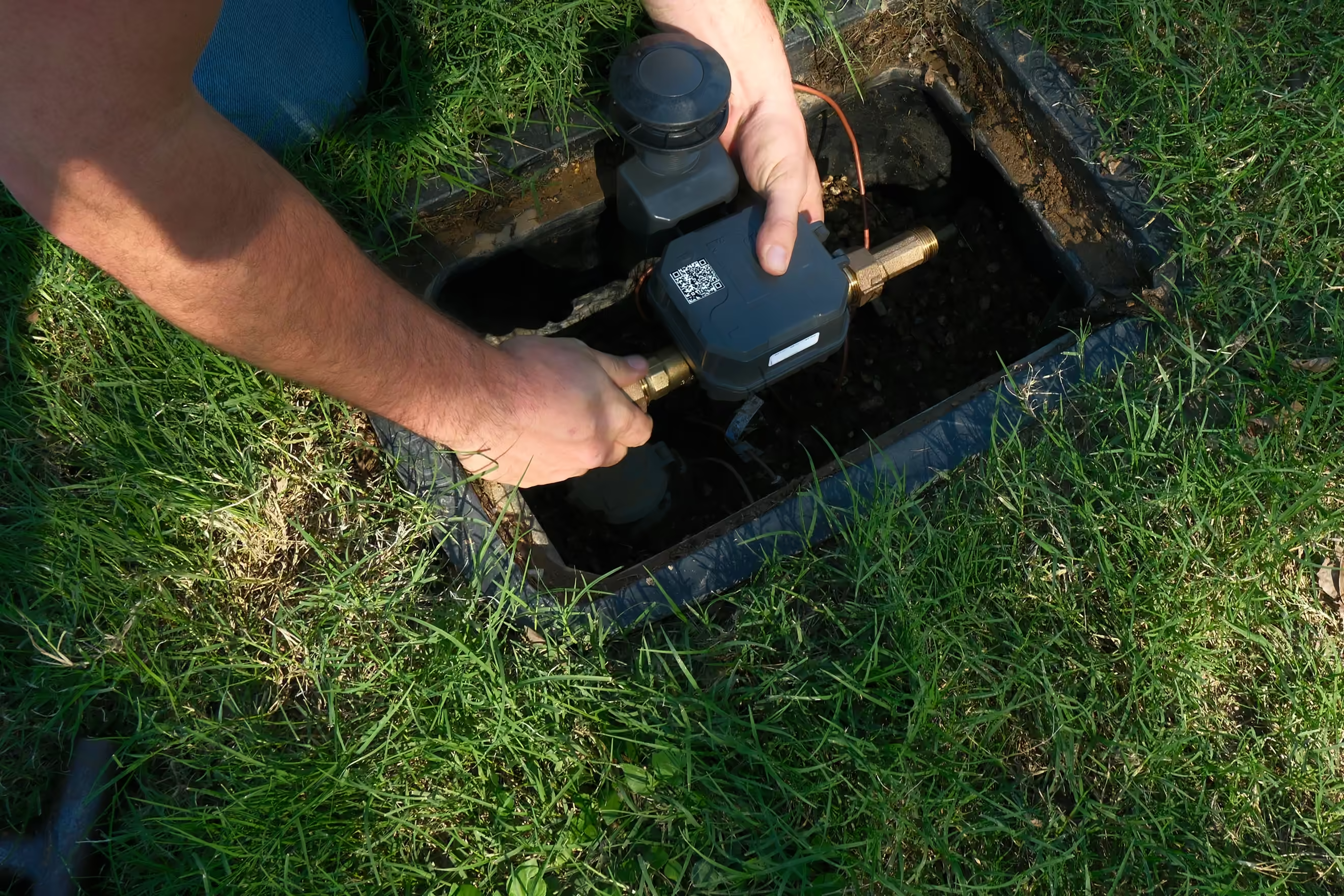
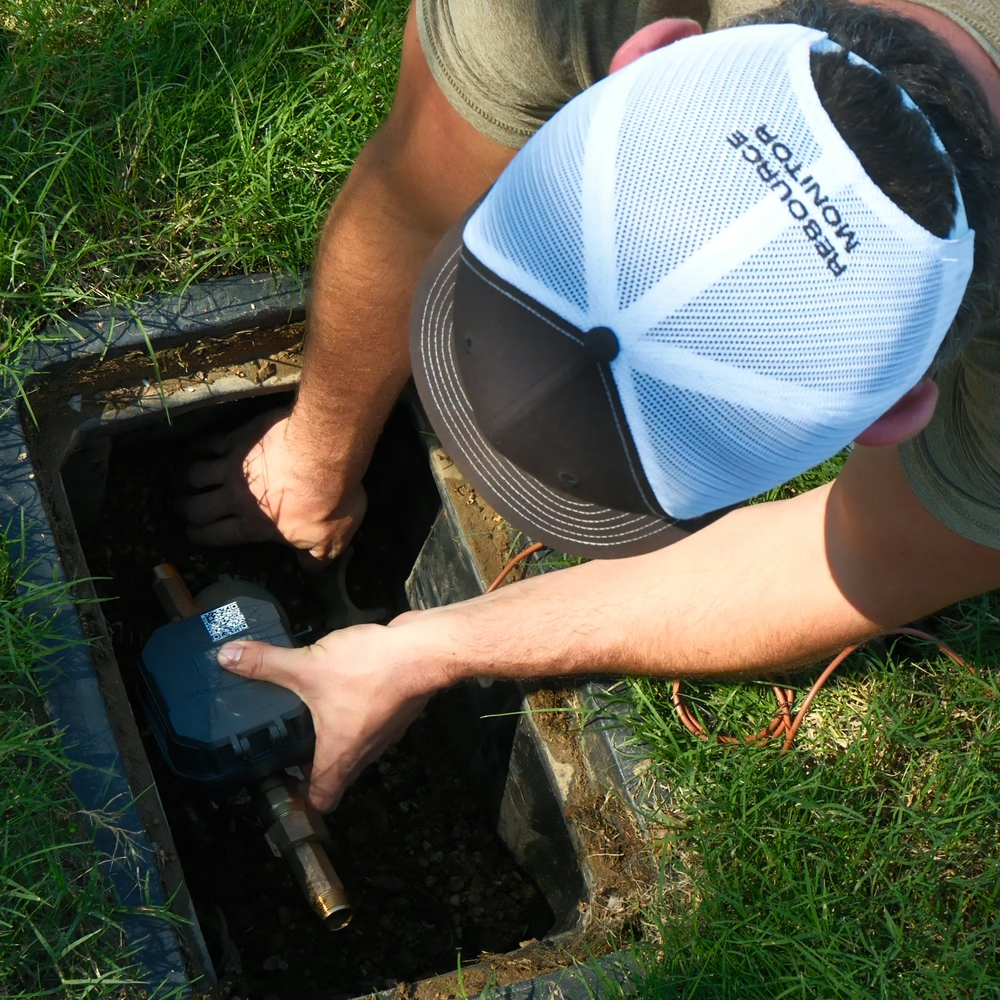
A technician's hands fit a water meter with its cellular endpoint onto the brass fittings in an open meter box in the grass.

Readings every 15 minutes

Same-day leak alerts

No upfront hardware cost

20‑year meter, 10‑year endpoint battery

What a month between reads costs

30 days

Between reads

A leak that starts right after a read can run until the next one.

3 days

Reading the route

10 to 12 hours a day to read 1,000 meters by hand. Then somebody types the reads into billing.

16%

Water lost

EPA's estimate for the average system. Up to three-quarters of it is recoverable.

Water loss: U.S. EPA. Route time: as reported to Resource Monitor by a rural water system.

See your system without the drive

Technician kneeling on a lawn at an open meter box, working on the water meter.Phone lock screen showing a Resource Monitor text alert: Test Meter B has been running non-stop for 28 hours with no break in flow, which could mean a leak.
Alerts

Get a text when a meter starts leaking

You get a text or email within hours when a meter shows a leak or a pressure drop. The alert names the meter, so you know where to go.
Why rural water systems trust
‍Resource Monitor

Alerts day or night
You get a text the same day a meter shows a leak, pressure drops or a well stops pumping. Most of the time, you'll know before a customer calls.
Easier compliance reporting
Your readings feed the annual water audit and track pumping against your groundwater district allocation, so you're not rebuilding the numbers by hand at filing time.
Works from your phone
Check any meter, well or tank from wherever you're standing. If you cover more than one site, they're all in the same app.
Rural water association partner
The rural water associations in California and Arizona have both named Resource Monitor a partner.
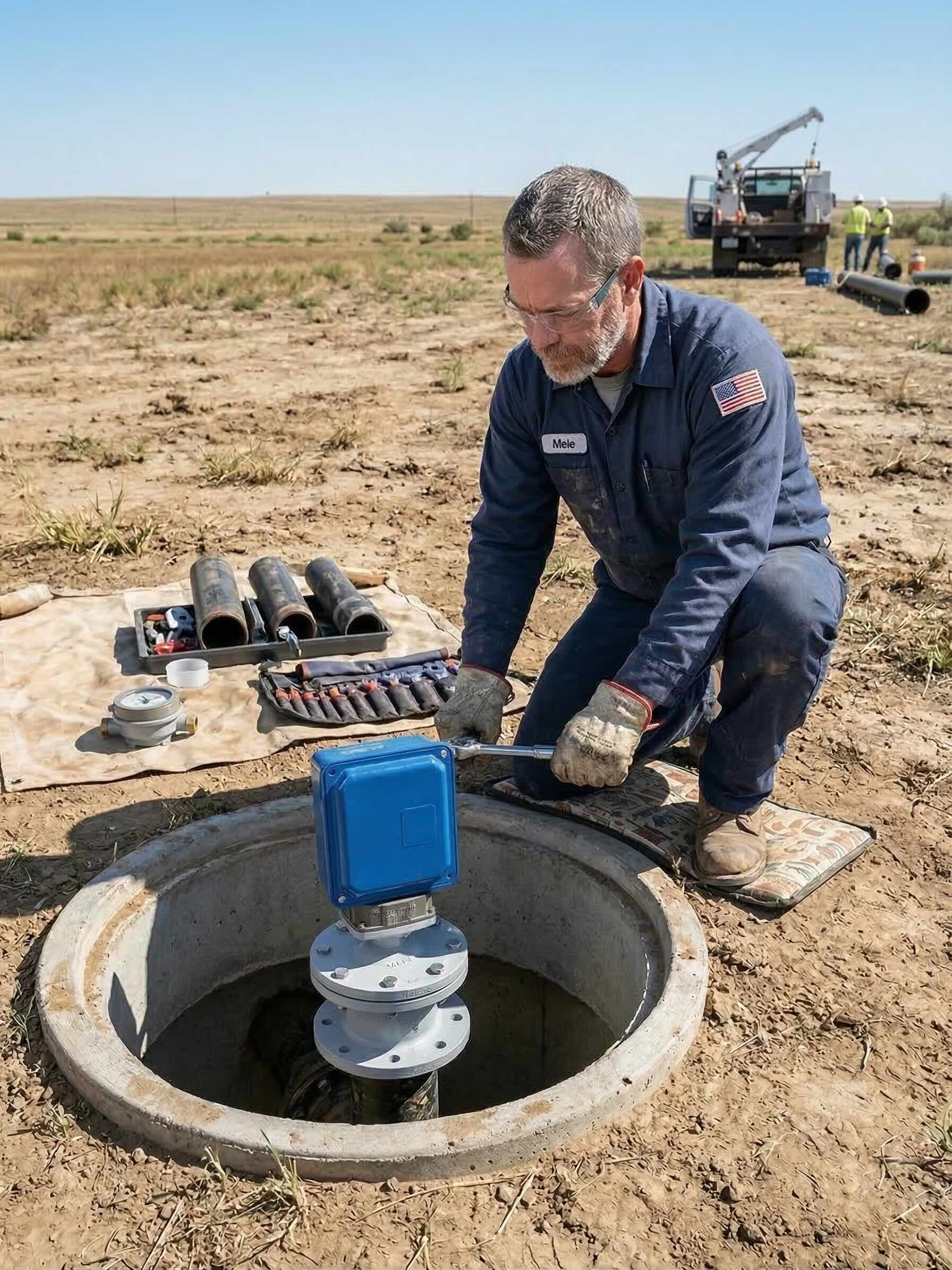
Resource Monitor technician in an RM cap lowering a smart water meter into a residential meter box.
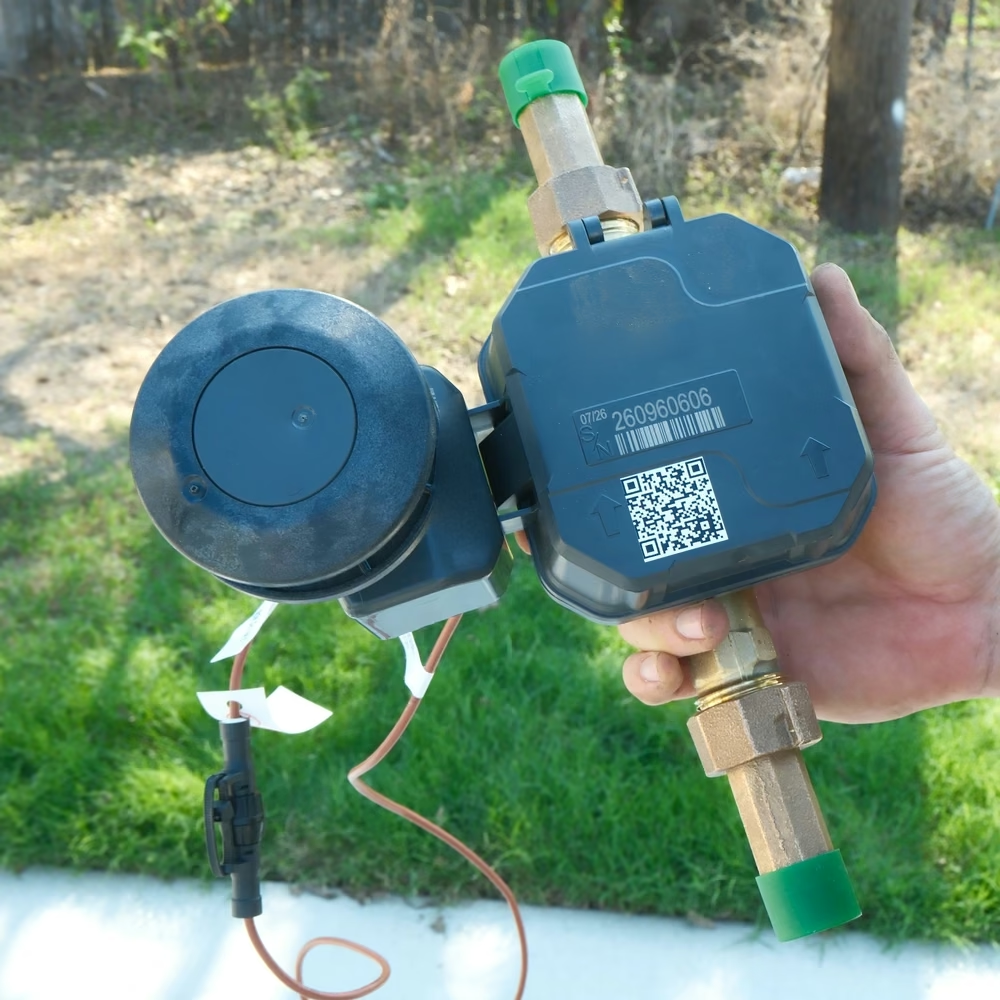
Hand holding a residential water meter with its cellular endpoint attached, ready to install.
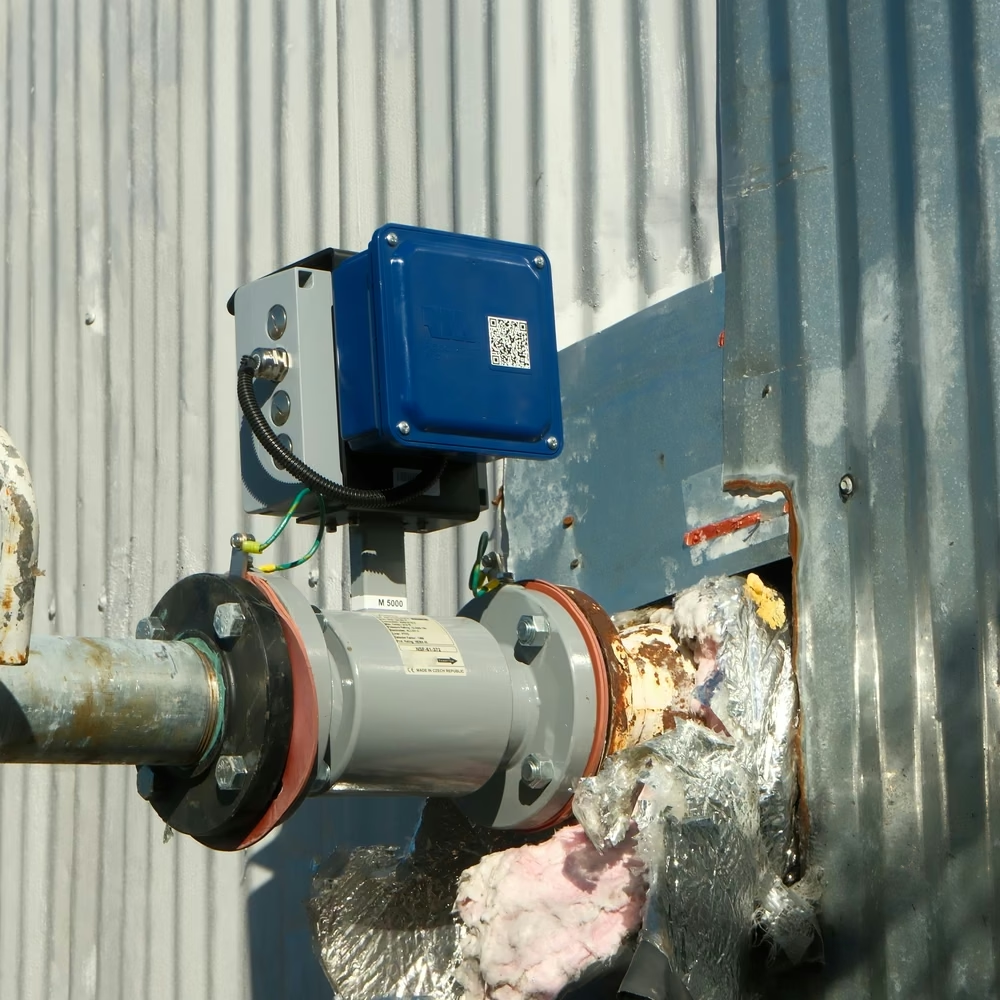
Resource Monitor enclosure on a flanged flow meter at a rural well site pump house.
Dashboard showing total water production of 5,293,429.3 gallons, total consumption of 3,341,076.44 gallons, and a net water production surplus of 1,952,352.86 gallons (36.9%) with a line graph displaying net water used, production, consumption, and precipitation daily from February 15 to March 14.
Chart titled Production vs. Pressure showing daily water production in gallons as blue bars and pressure in PSI as a yellow line with shaded range and a notification of abnormal pressure alert on October 31 for Well #3.
Allocation Tracker table showing water meters with budget status, allocation percentage, allocation volume, year-to-date usage, and monthly usage for various wells.

How Resource Monitor Helps

Resource Monitor was built for small and rural water systems. You don't have to take on a big-city metering project or change out every meter at once. Start with the meters that matter most, like your wells and master meter, and add the rest when it makes sense.

Same-day alerts

A leak shows up on your phone the same day it starts.

Data from day one

Readings start coming in as soon as a meter's in the ground and set up in the app.

Track water loss

See how much of the water you pump ends up billed, and track the gap month to month.

Compliance reporting

Run the annual water audit and track your groundwater district allocation from the same readings.

On the ground at Palomar Mountain

Palomar Mountain

“Having this equipment fundamentally changes how we can operate in a profound way that significantly reduces costs and efforts related to monitoring, maintaining, and repairing our water system.”

Renee

, general manager, Palomar Mountain Mutual Water Company

One open valve, by the numbers

20

Staff hours saved

A search by hand was headed for about 20 staff hours. It took 15 minutes in the field.

12,000

Gallons a day stopped

The meters showed 500 gallons an hour running through a valve someone had left open.

Next day

To catch it

The loss started at 9 at night. RM had flagged it by the next morning.

Palomar Mountain Mutual Water Company is a small California system running its first three connected meters. Starting at 9 one night, those meters picked up a steady 500 gallons an hour. By morning, an RM alert had tipped off the operator that something was wrong. Checking the system by hand would have tied up two people for 8 to 10 hours. Instead, it took a few checks in the app, two phone calls and 15 minutes in the field to find a valve someone had left open.

Built for Operators

Only Commit to What You Need

Source Monitoring package diagram: well, pump and valve sites report to one dashboard; customer connections are not metered
Supply
Monitor wells, treated water, and purchased supply in one view
Catch pump trouble early, like a pump cycling too often
Detect production issues with alerts
Track pumping against permits and allocations
Learn more
Get a quote for your system
Visibility package diagram: source sites plus some customer connections report to one dashboard
Visibility
Monitor pressure and flow in critical areas
Catch leaks early in the areas you meter
Get an alert when pressure leaves your target range
Know which meter to drive to before you leave the office
Learn more
Get a quote for your system
Supply
Meter problem zones to spot issues early
Find maintenance needs before the customer calls
Spot production issues with alerts
Track pumping against permits and allocations
Learn more
Get a quote for your system

Get in touch

Send John a note

Tell John about your system and what you've got in mind. If Resource Monitor isn't a fit, he'll tell you straight.

John Davis

Director of Sales